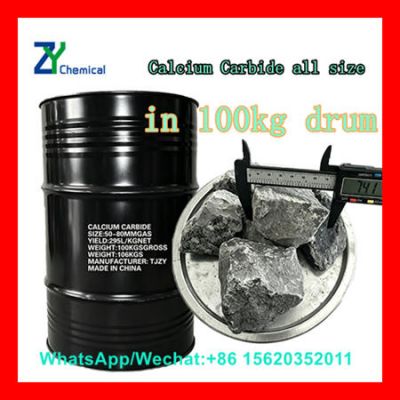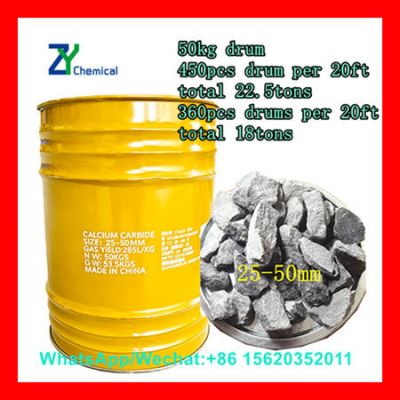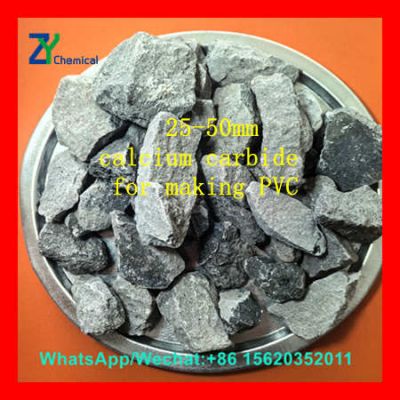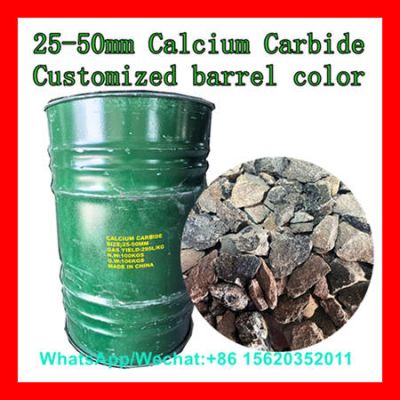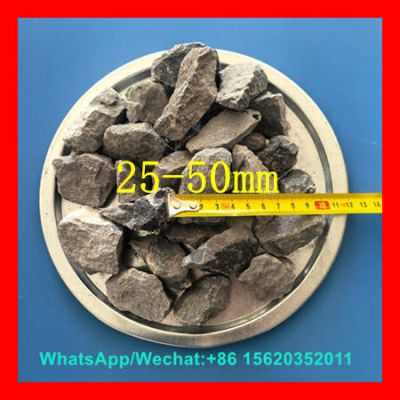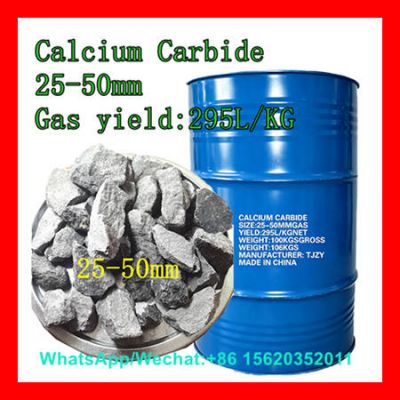
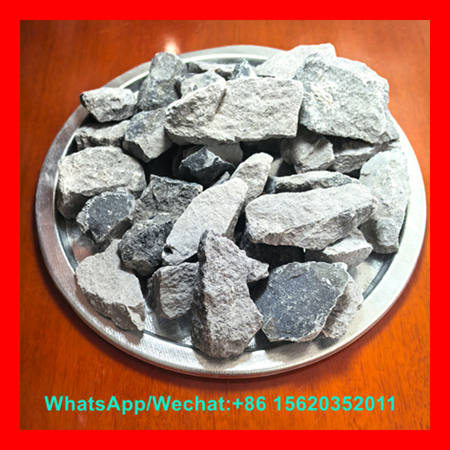
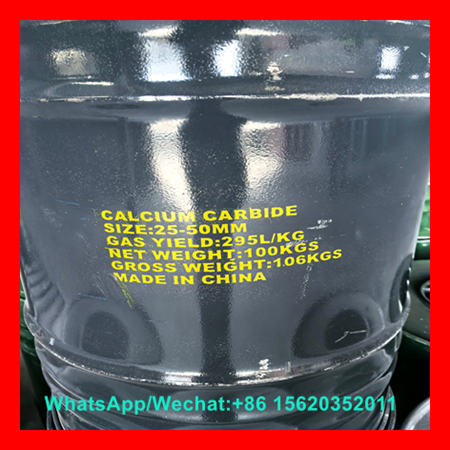
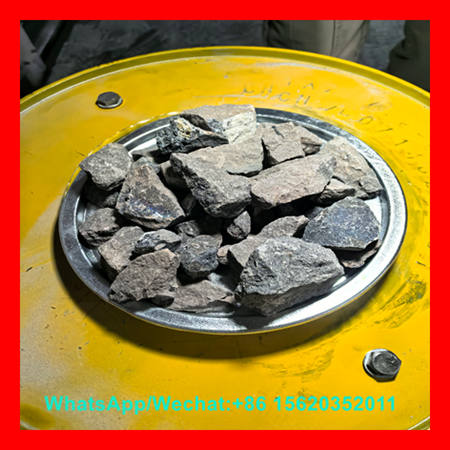
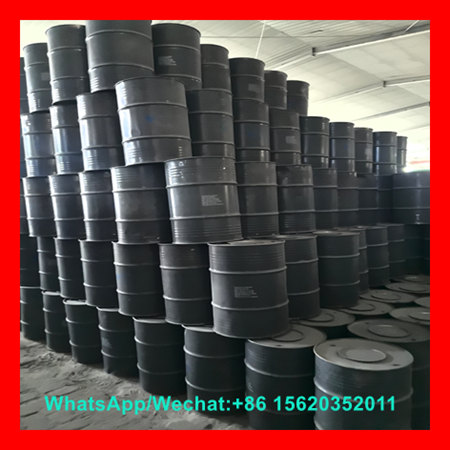
Optimal Particle Size: 25-50mm standard uniform lumps, minimizing fine dust and optimizing reaction control in acetylene generators.
High Gas Yield: Guaranteed gas yield suitable for industrial metal welding, cutting, and chemical processing.
In modern chemical engineering, metal processing, and gas synthesis, selecting the correct chemical grade and particle size is critical for maintaining process stability, optimizing yields, and preserving worker safety. Industrial calcium carbide (CaC2) remains a fundamental raw material relied upon globally. Within standard commercial sizing structures, 25-50mm calcium carbide occupies a key sweet spot favored by gas generation plants and heavy industrial facilities.
Understanding why this exact lump configuration drives operational efficiency requires examining its physical characteristics, chemical behavior, and performance inside industrial reactors.
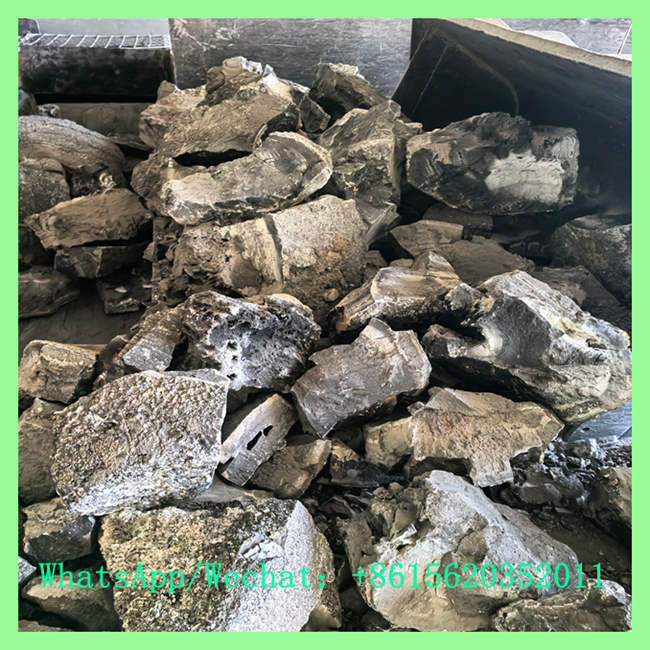
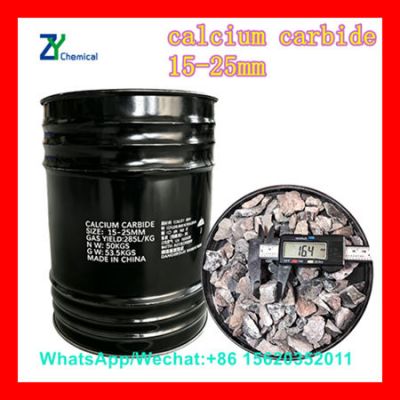
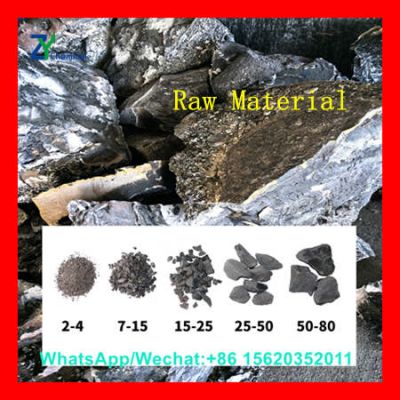
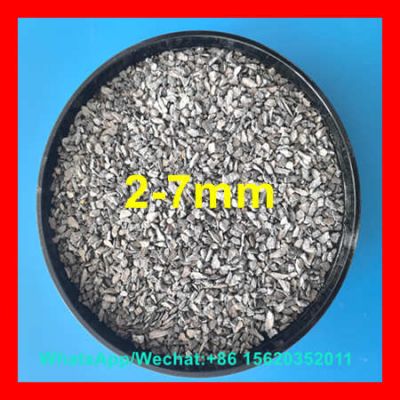
Calcium carbide is produced electrothermally by fusing high-purity quicklime (calcium oxide) and carbon sources (coke or anthracite) in subterranean electric arc furnaces. Once cooled and crushed, the material is screened into distinct particle dimensions ranging from fine powders to large lumps.
The selection of 25-50mm calcium carbide offers clear operational advantages over both finer and coarser grades:
The major consumer of calcium carbide worldwide is the industrial gas sector. Acetylene produced from high-yield carbide serves as an irreplaceable fuel for oxy-acetylene torch welding, metal cutting, flame hardening, and localized heat treatment. Maintaining stable generator output depends directly on reliable lump consistency.
In integrated steel manufacturing, liquid iron and steel require precise chemistry control. Calcium carbide acts as a powerful desulfurizing and deoxidizing agent when injected into molten metal baths. The reaction efficiently converts dissolved sulfur into calcium sulfide slag, elevating ultimate steel ductility, toughness, and fatigue resistance.
Beyond fuel applications, acetylene derived from carbide provides a basic carbon building block for manufacturing vinyl chloride monomer (VCM), synthetic rubbers, solvents, and calcium cyanamide fertilizers, supporting complex global chemical value chains.
Industrial procurement teams rely on strict material parameters to calculate gas yield economics and operational safety margins. Below is our standard specification matrix:
| Property Parameter | Technical Standard |
|---|---|
| Particle Granulation Size | 25 - 50 mm (≥ 90% in-spec size fraction) |
| Acetylene Gas Yield Output | ≥ 295 Liters / kg (at 20°C, 101.3 kPa) |
| Chemical Formula | CaC2 |
| Phosphine (PH3) Impurity Limit | ≤ 0.05% (v/v) |
| Hydrogen Sulfide (H2S) Limit | ≤ 0.15% (v/v) |
| Appearance | Grayish-black to dark brownish crystalline solid |
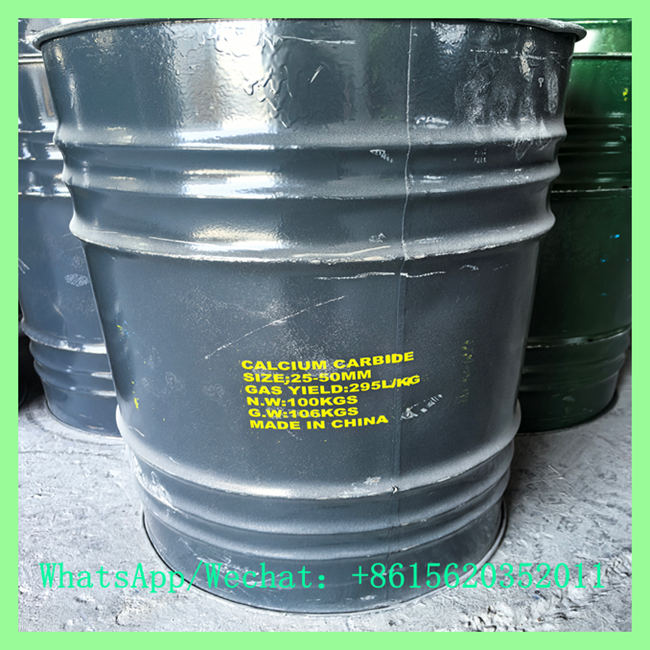
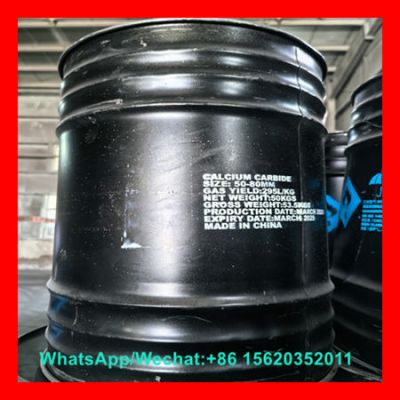
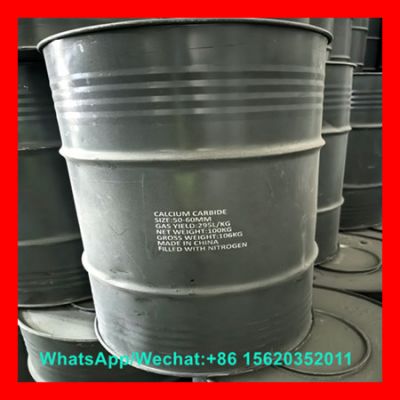
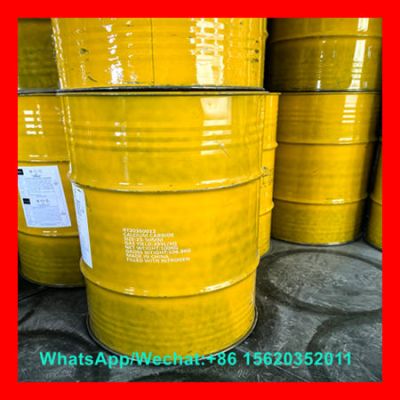
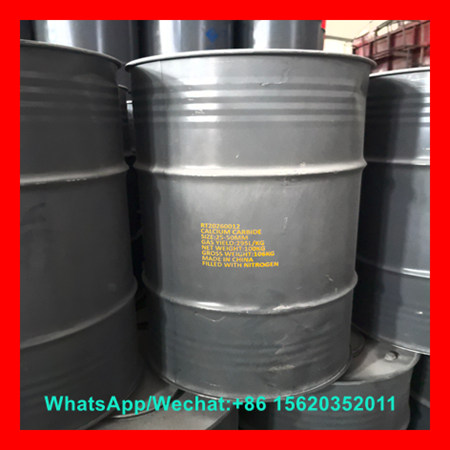
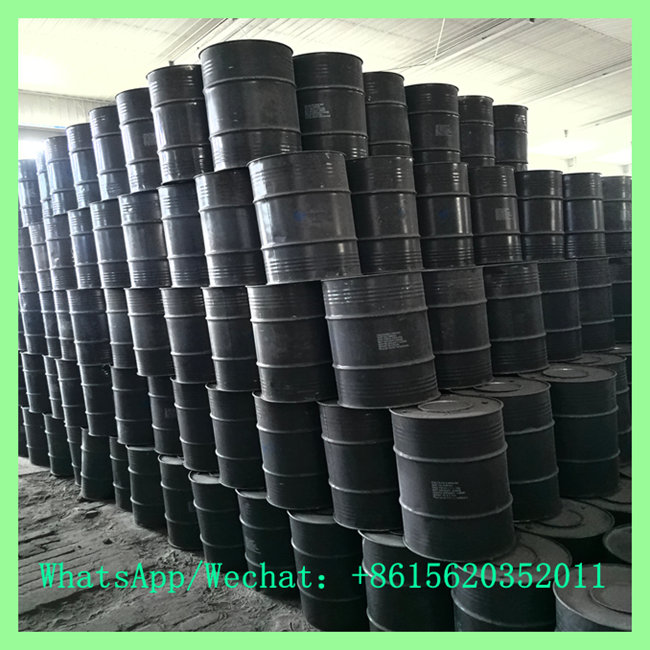
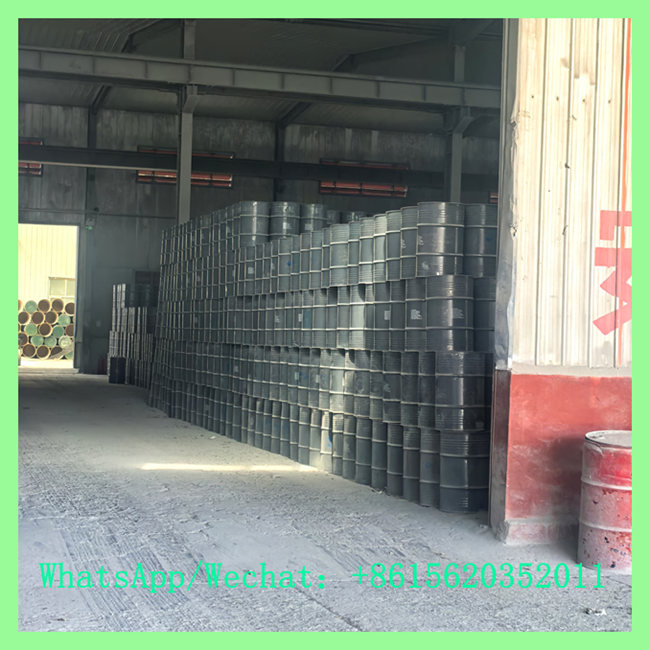
Because calcium carbide reacts readily with environmental moisture to emit hazardous gases, global transport mandates rigid containment engineering compliant with UN 1402 (Class 4.3 dangerous goods - substances which in contact with water emit flammable gases):
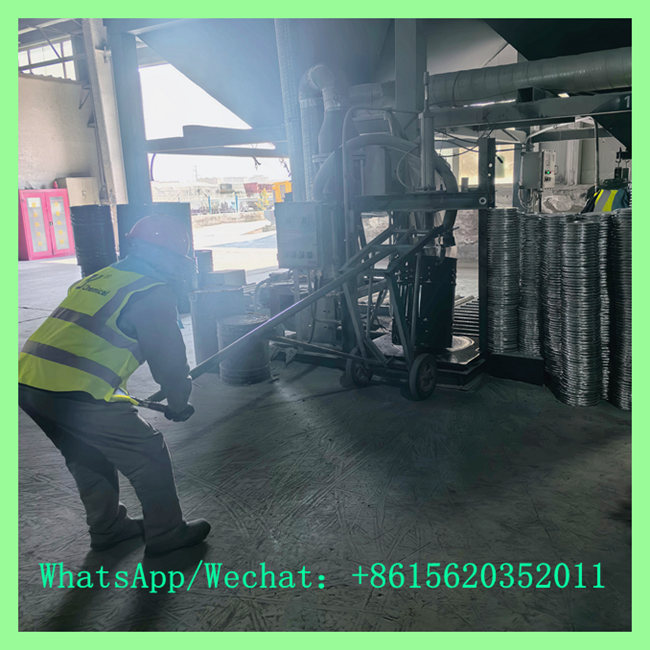
Partnering directly with an established chemical export enterprise provides B2B buyers with flexible FOB/CIF Incoterms, complete batch Certificate of Analysis (COA) records, localized MSDS compliance, and reliable multi-container dispatch guarantees tailored to heavy industry schedules.