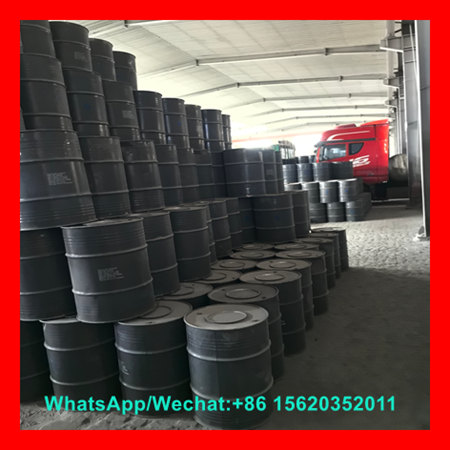
Optimizing Metallurgy: High-Purity Calcium Carbide in Steel Making
In modern secondary steelmaking, ladle refining furnaces (LRF), and basic oxygen furnace (BOF) operations, producing ultra-low sulfur steel grades while managing operational costs is a constant challenge for metallurgical engineers and procurement directors. Integrating premium calcium carbide in steel making provides a fast, chemically efficient solution for hot metal desulfurization and slag deoxidation. Sourced through controlled high-temperature electric arc synthesis, our industrial-grade material is tailored specifically to meet the high-throughput demands of modern integrated steel mills and mini-mills worldwide.
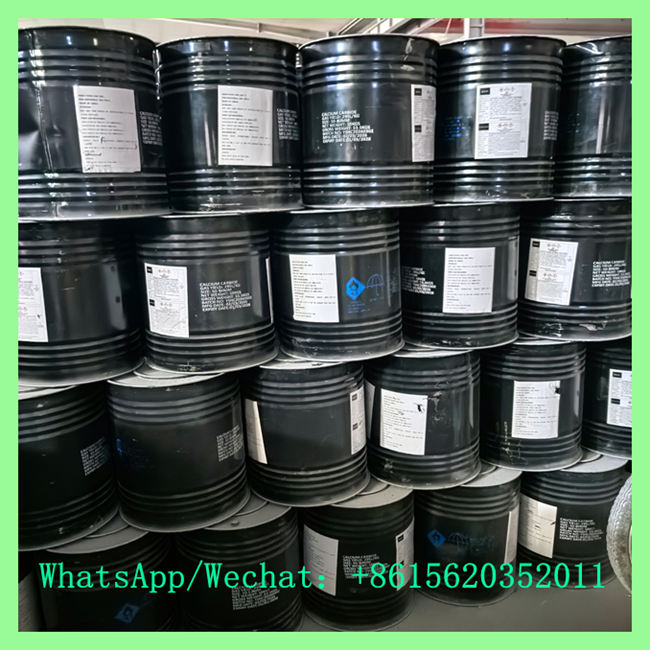
The Metallurgical Role of Calcium Carbide in Steel Making
The primary thermodynamic advantage of utilizing calcium carbide in steel making lies in its exceptional chemical affinity for dissolved sulfur and oxygen in liquid iron. When injected into or top-added to the ladle melt, calcium carbide (CaC2) decomposes into active calcium and carbon under high-temperature conditions. The liberated calcium reacts rapidly with dissolved sulfur to form calcium sulfide (CaS), a stable compound that partitions cleanly into the top slag layer:
CaC2 + [S]→CaS + 2[C]
Beyond desulfurization, the carbon released acts as a powerful reducing agent, deoxidizing the liquid steel and protecting valuable ferroalloys (such as ferromanganese and ferrosilicon) from yield-reducing oxidation losses. This dual-action mechanism significantly improves steel cleanliness, enhances castability in continuous casting machines, and prevents nozzle clogging caused by solid oxide inclusions.
Technical Product Specifications
We supply various standardized and custom-screened grain sizes engineered for pneumatic injection systems, wire-feeding equipment, or direct ladle additions:
- $\text{CaC}_2$ Content: Premium Industrial Grade (≥ 80% chemical purity)
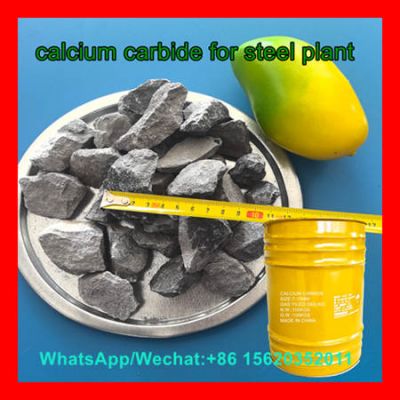
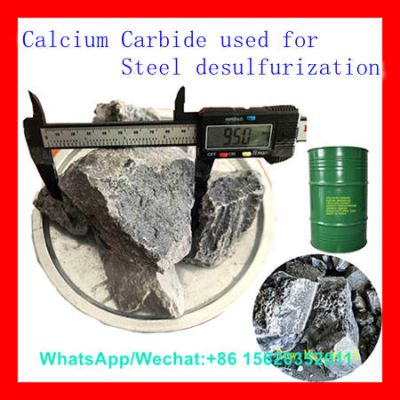
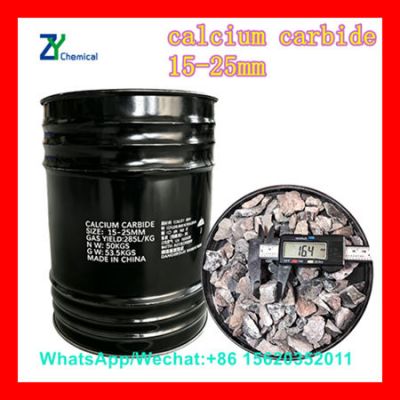
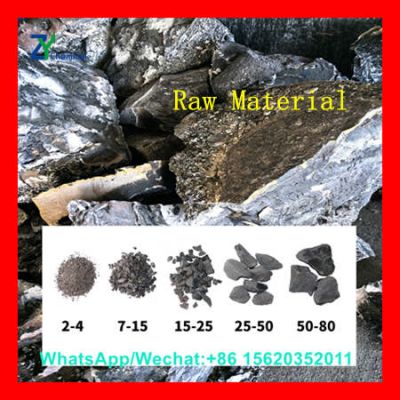
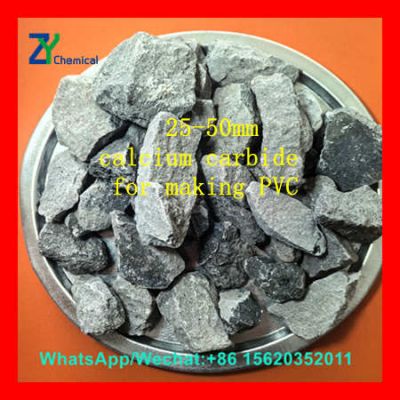
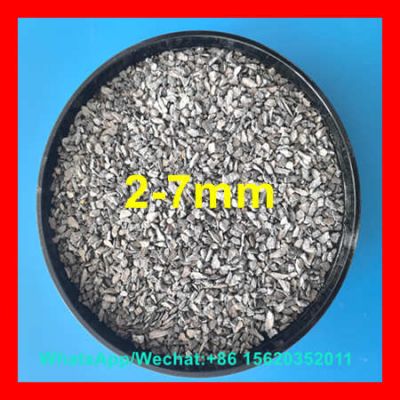
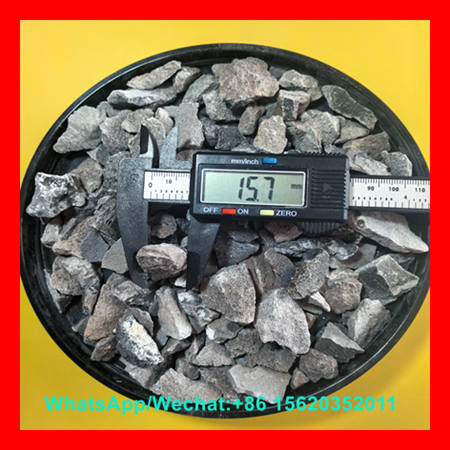
- Sizing Options: 0-3mm, 0.5-5mm (injection fine), 3-10mm, 7-25mm (ladle additions)
- Gas Yield: ≥ 295 L/kg (standard reference yield)
- Moisture Content: ≤ 0.5% (strictly controlled to prevent hydrogen pickup)
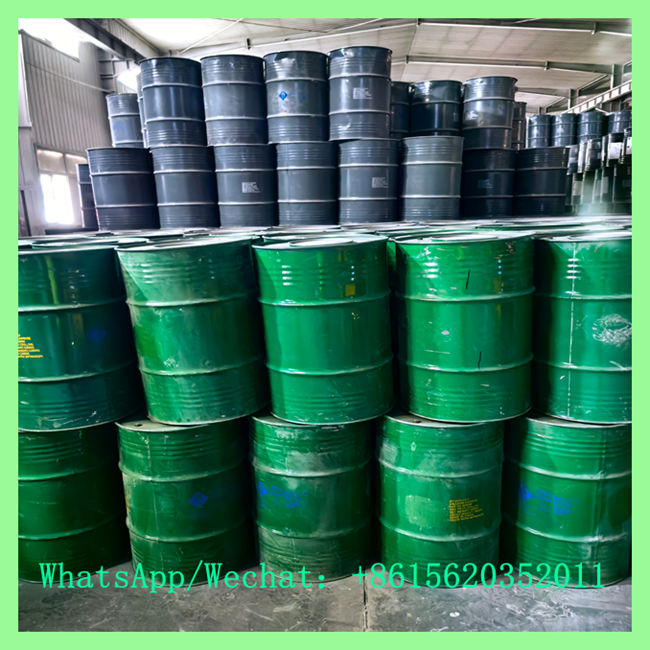
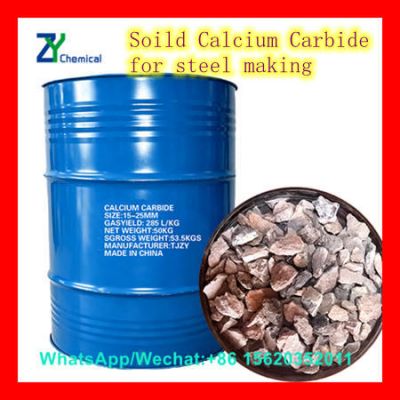
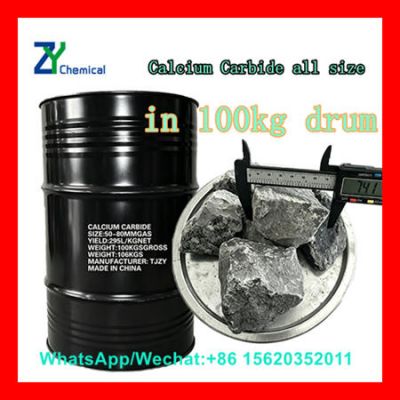
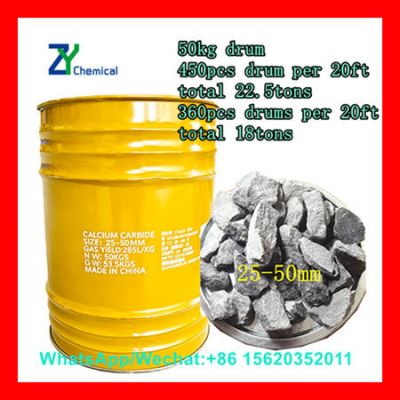
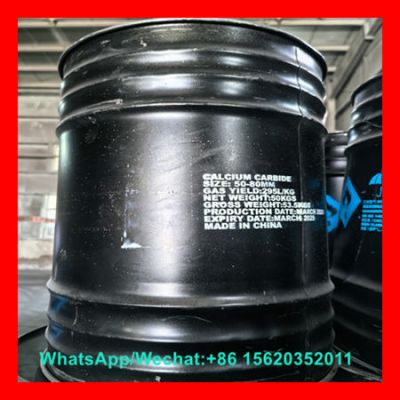
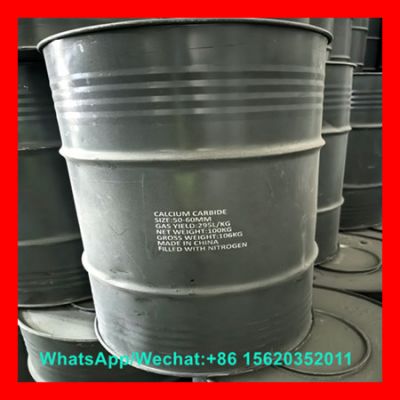
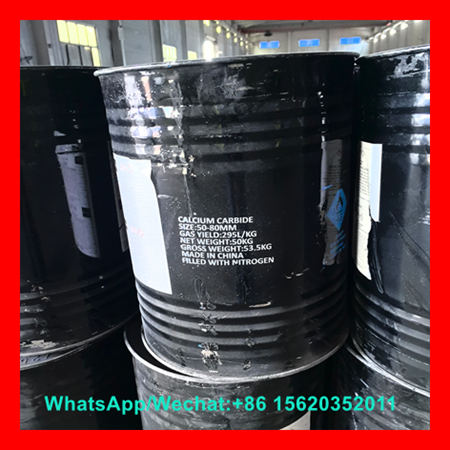
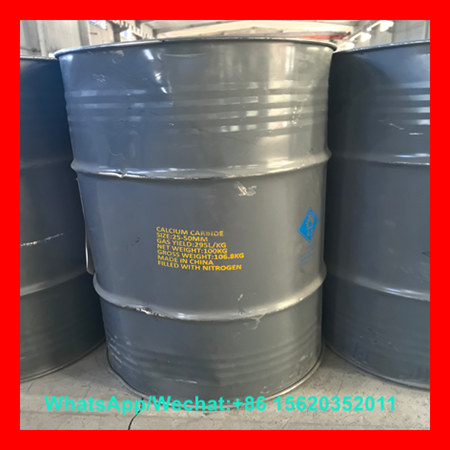
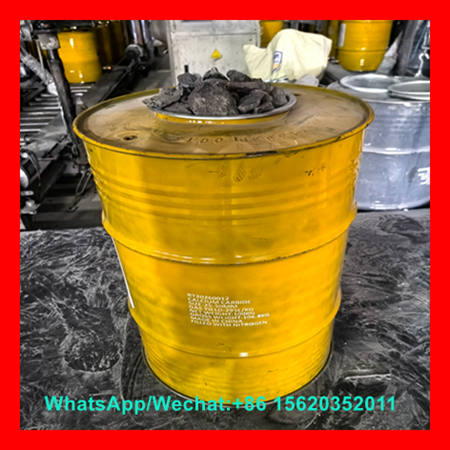
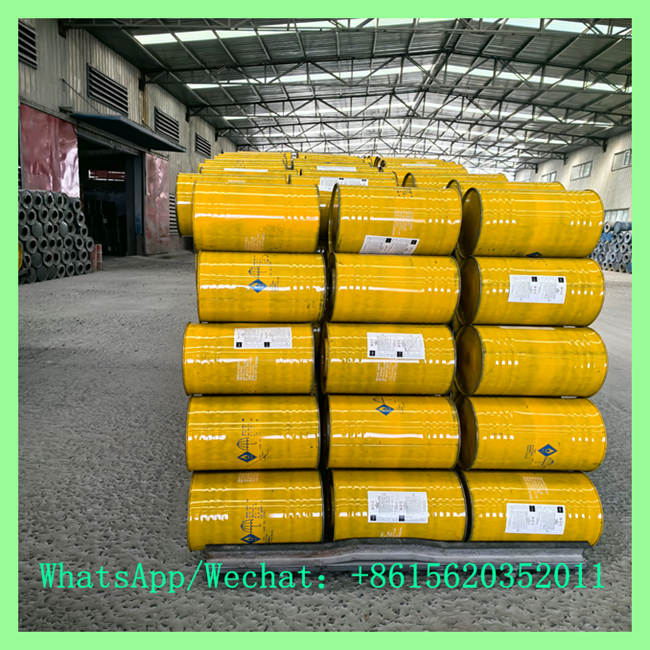
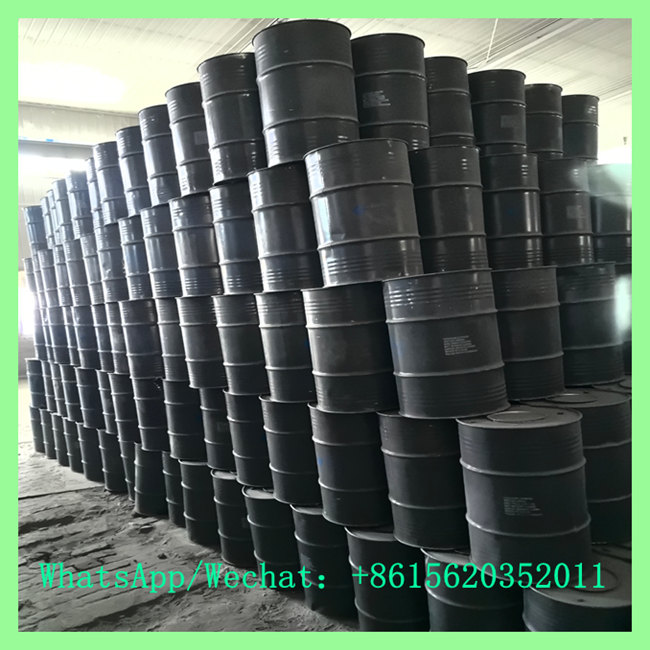
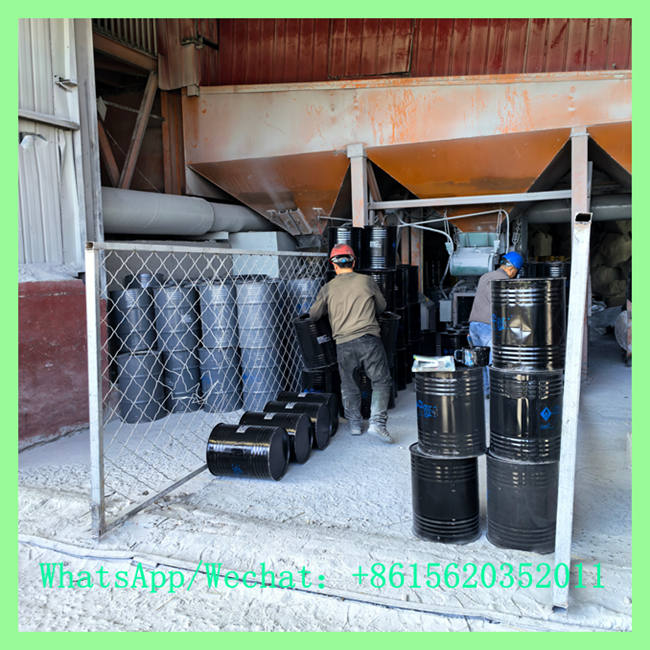
- Packaging Options: 1000kg weather-resistant big bags (bulk bags with moisture barrier liners) or 100kg/200kg sealed steel drums under dry nitrogen purge
Strategic B2B Advantages for Modern Steel Works
Partnering with a reliable factory-direct supplier for your metallurgical additives yields distinct operational and financial benefits:
- Rapid Reaction Kinetics: Fine particle distributions allow for high contact surface area during pneumatic lance injection, reducing processing time per ladle batch and boosting melt shop productivity.
- Reduced Flux Consumption: High desulfurization efficiency minimizes the required mass of secondary fluxes like fluorite ($\text{CaF}_2$) and synthetic lime, extending furnace refractory lining service life.
- Consistent Quality Control: Every batch undergoes rigorous X-ray fluorescence (XRF) and gas yield testing to guarantee precise chemical composition, eliminating melt chemistry variance between heats.
- Cost-Effective Alloy Recovery: By rapidly lowering oxygen activity in the slag, steelmakers maximize alloy addition recovery rates, directly cutting raw material spend on costly deoxidizers like aluminum or calcium-silicon (CaSi) wire.
Supply Chain Security and Custom Bulk Procurement
We recognize that consistency, packaging integrity, and on-time delivery are non-negotiable for large-scale steel producers. Our export-grade packaging prevents atmospheric hydration, ensuring safe long-distance sea freight and extended site storage without degradation. By securing your volume supply of calcium carbide in steel making directly from our production line, your plant benefits from stable pricing, flexible grain sizing, and tailored logistics solutions.
Contact our technical metallurgical team today to request safety data sheets (SDS), discuss pneumatic injection trials, or receive a competitive factory-direct commercial quotation for your plant.